The Range Rover Sport is the pinnacle of luxury, performance, and capability. Its powerful engine is the heart of that experience, but when it starts to show signs of trouble, it can be a stressful and worrying time for any owner. Ignoring these signs can lead to catastrophic, and far more expensive, damage.
Recognizing the early warnings is key. This guide will walk you through the five most common signs of engine failure in a Range Rover Sport and provide clear, actionable steps on what to do next.
The 5 Warning Signs You Can’t Ignore
1. Excessive Smoke from the Exhaust
The color of your exhaust smoke is a direct window into the health of your engine.
- Blue Smoke: This indicates that engine oil is being burned in the combustion chambers. It’s often caused by worn piston rings or valve seals.
- White Smoke: Thick, sweet-smelling white smoke is a classic symptom of a blown head gasket, which is allowing coolant to leak into the cylinders. This is a very serious issue that can lead to overheating and major damage.
- Black Smoke: This means the engine is burning too much fuel. While it could be a simple sensor issue, it can also point to more serious injector or internal problems.
2. Knocking or Ticking Noises
Your Range Rover’s engine should be smooth and quiet. Any new, metallic noises are a major red flag.
- “Rod Knock”: A deep, heavy knocking sound that gets faster with engine RPM is often “rod knock.” This is caused by a worn-out connecting rod bearing and is a sign of imminent, catastrophic failure.
- “Lifter Tick”: A lighter, faster tapping or ticking sound from the top of the engine can be a stuck or failed valve lifter. While less severe than rod knock, it can still lead to significant damage if ignored.
3. Significant Loss of Power & Performance
If your once-powerful SUV now struggles to accelerate or maintain speed, the engine is likely suffering from a loss of compression. Compression is what creates power, and a loss of it can be caused by worn piston rings, a failed head gasket, or damaged valves. You’ll notice the vehicle feels sluggish and unresponsive.
4. Engine Overheating Constantly
While a single overheating event could be a simple coolant leak, persistent overheating is often a symptom of a deeper problem like a blown head gasket or a crack in the cylinder head. When the engine’s combustion pressure leaks into the cooling system, it creates air pockets and prevents the coolant from circulating properly, leading to a rapid rise in temperature.
5. Metal Shavings in the Engine Oil (The “Glitter of Death”)
When you get your oil changed, ask the technician to inspect the old oil. If it has a glittery, metallic sheen, this is a catastrophic sign. Those tiny metal flakes are pieces of your engine’s bearings and internal components that have worn away and are now circulating in the oil. This indicates severe internal damage, and continued operation will destroy the engine completely.
What to Do Immediately
If you notice any of these signs, especially knocking noises or overheating, stop driving the vehicle immediately. Continuing to drive can turn a repairable problem into a complete Jaguar & Land Rover engine replacement solutions. Have the vehicle towed to a qualified mechanic or a specialist in European vehicles for a proper diagnosis.
Your Replacement Options: Making the Right Choice
If the diagnosis confirms major internal damage, you generally have three paths forward, each with significant differences in cost, reliability, and peace of mind.
1. Used Engine
This is an engine taken from a donor vehicle, often from a salvage yard.
- Pros: Lowest initial purchase price.
- Cons: You are buying an unknown history. The engine could have high mileage, have been poorly maintained, or come from a vehicle that was in a major accident. The warranty is typically very short (30-90 days) and often doesn’t cover the extensive labor costs to install it if it turns out to be faulty. It’s a significant gamble.
2. Rebuilt Engine
In a rebuild, the engine is disassembled only to the point of failure, and only the specific broken components are replaced.
- Pros: More reliable than a used engine because the known failure point has been fixed.
- Cons: The quality of a “rebuild” varies dramatically from one shop to another. Crucially, other worn components that were not the cause of the initial failure are often left untouched. This can lead to another failure down the line from a different part, costing you thousands more in labor.
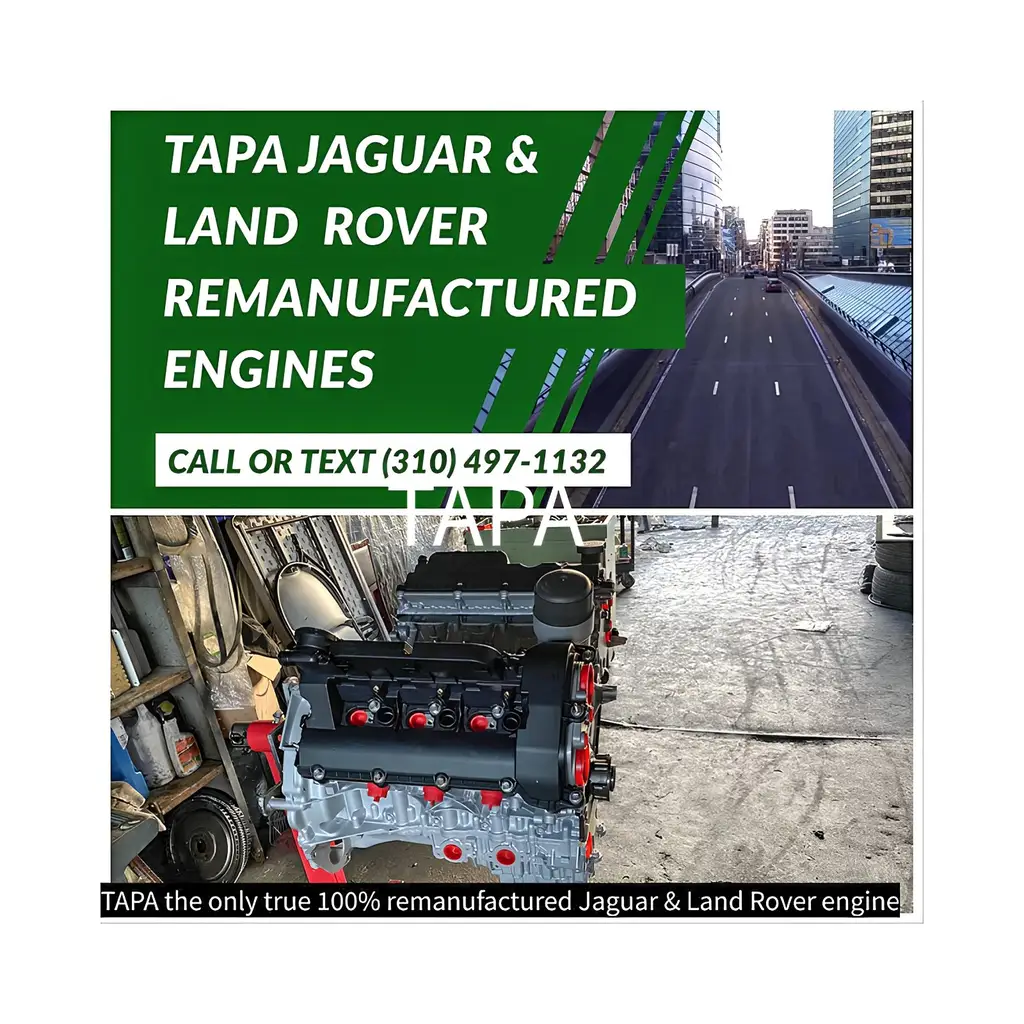
3. Stage 2 remanufactured 5.0L V8 engine Engine from Tapa Jaguar & Land Rover Engines
This is the most comprehensive and reliable solution. Our TAPA Certified process means the engine is completely disassembled, and all critical wear components are replaced with parts proven to exceed OEM quality, regardless of their original condition.
- Pros: The engine is returned to a “like-new” state, meeting or exceeding original factory specifications. Common factory flaws are often corrected during the process. It offers the highest level of reliability and longevity and is backed by a comprehensive, long-term warranty that provides true peace of mind.
- Cons: The upfront investment is higher than for a used or rebuilt engine.
The Best Path Forward for Your Range Rover
Your Range Rover Sport is a significant investment. When facing a major engine repair, making an informed decision is critical to protecting that investment and ensuring your future driving enjoyment. While a used engine may seem like a cheap fix, the potential risks and hidden costs can quickly make it the most expensive option in the long run.
By choosing a fully remanufactured engine from Tapa Jaguar & Land Rover Engines, you are not just repairing your vehicle—you are restoring its performance and ensuring its reliability for years to come.
If you’re facing a major engine repair for your Range Rover Sport, explore our range of TAPA Certified remanufactured engines or contact our experts today to discuss the best solution for your vehicle.
When signs of failure appear, acting early is always less costly than a full seizure. TAPA’s engine configurator lets you find the right replacement engine by make, model, and year in minutes. All engines undergo our Stage 2 build process — going beyond OEM specification so your Range Rover Sport performs better than it did before.