Posted on Leave a comment

How to Fix Code P0524 on a Jaguar or Land Rover (Code Definition)

tapa-stage-two-engine-optimized-19-16.webp - TAPA Jaguar & Land Rover Engines

Diagnosing DTC P0524 (Engine Oil Pressure Too Low) on Jaguar and Land Rover engines requires immediate attention to prevent catastrophic failure.

Step 1: Symptom Verification

Confirm the low oil pressure warning is active. Listen closely for abnormal engine noises, such as ticking or knocking, which indicate oil starvation.

Step 2: Initial Inspection

Immediately check the engine oil level. Ensure there are no major external oil leaks. If the oil is critically low, top it up and recheck the pressure before proceeding.

Step 3: Systematic Diagnosis

Test the oil pressure sensor/switch. It’s common for these to fail or leak, giving a false reading. Use a mechanical oil pressure gauge to verify the actual oil pressure at the engine block.

Step 4: The Definitive Solution

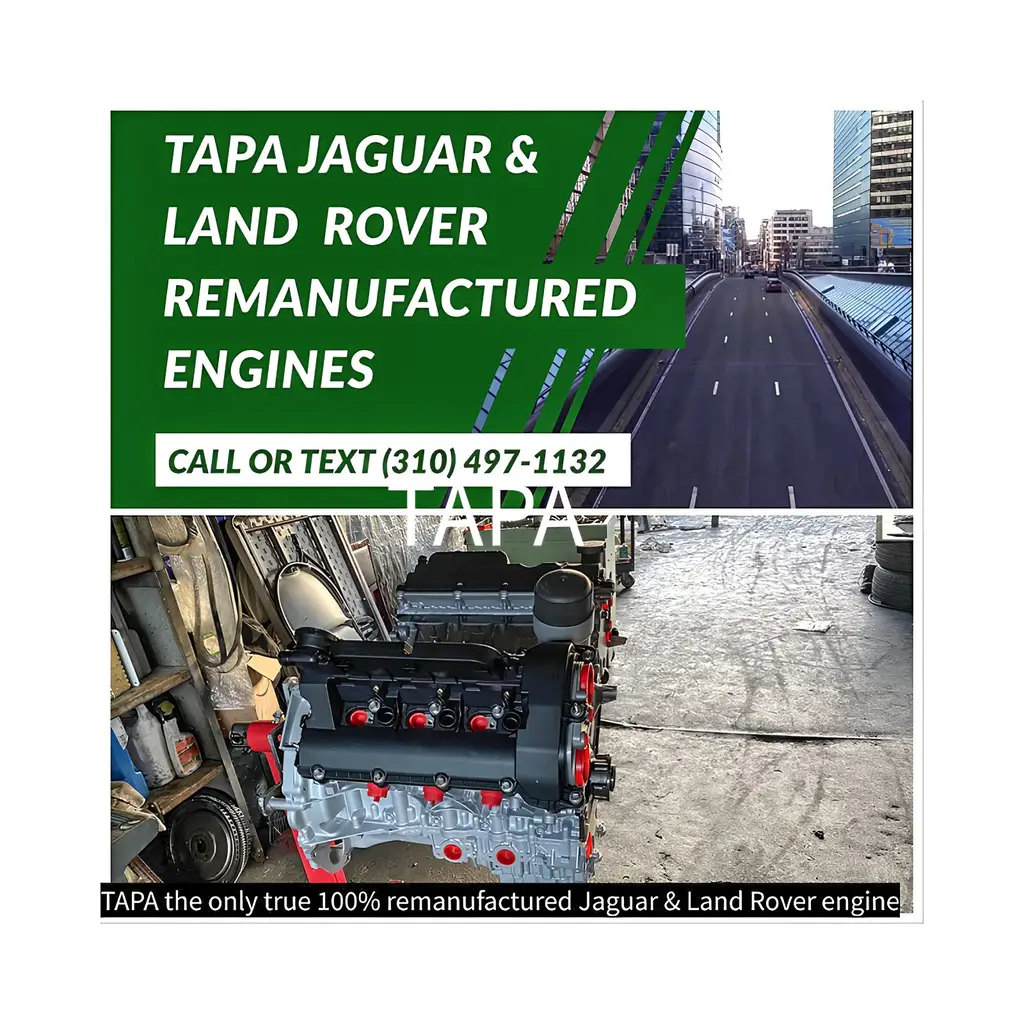
If the mechanical gauge confirms low pressure and the oil level is correct, the issue lies internally. This often points to a failing oil pump, worn main/rod bearings, or an obstructed oil pickup tube. A full diagnostic tear-down of the bottom end may be required to replace the faulty oil pump or bearings.

Posted on Leave a comment

How to Fix Code P0016/P0017 on a Jaguar or Land Rover (Code Definition)

tapa-stage-two-engine-optimized-19-17.webp - TAPA Jaguar & Land Rover Engines

Diagnosing and fixing the P0016 or P0017 code (Crankshaft/Camshaft Timing Correlation) on Jaguar and Land Rover 5.0L V8 and 3.0L V6 engines requires systematic precision. Symptoms often include a rough idle, noticeable power loss, and an illuminated check engine light.

Step 1: Symptom Verification

Confirm the check engine light is active and verify if the engine is exhibiting a rough idle or experiencing power loss under load.

Step 2: Initial Inspection

Check the engine oil level and condition. Low or degraded oil can affect the variable valve timing (VVT) solenoids. Inspect the VVT solenoids and their connectors for any obvious damage or oil intrusion.

Step 3: Systematic Diagnosis

Use an advanced OBD2 scanner to monitor live data from the camshaft and crankshaft position sensors. Ensure the sensors are reading correctly and are not failing intermittently.

Step 4: The Definitive Solution

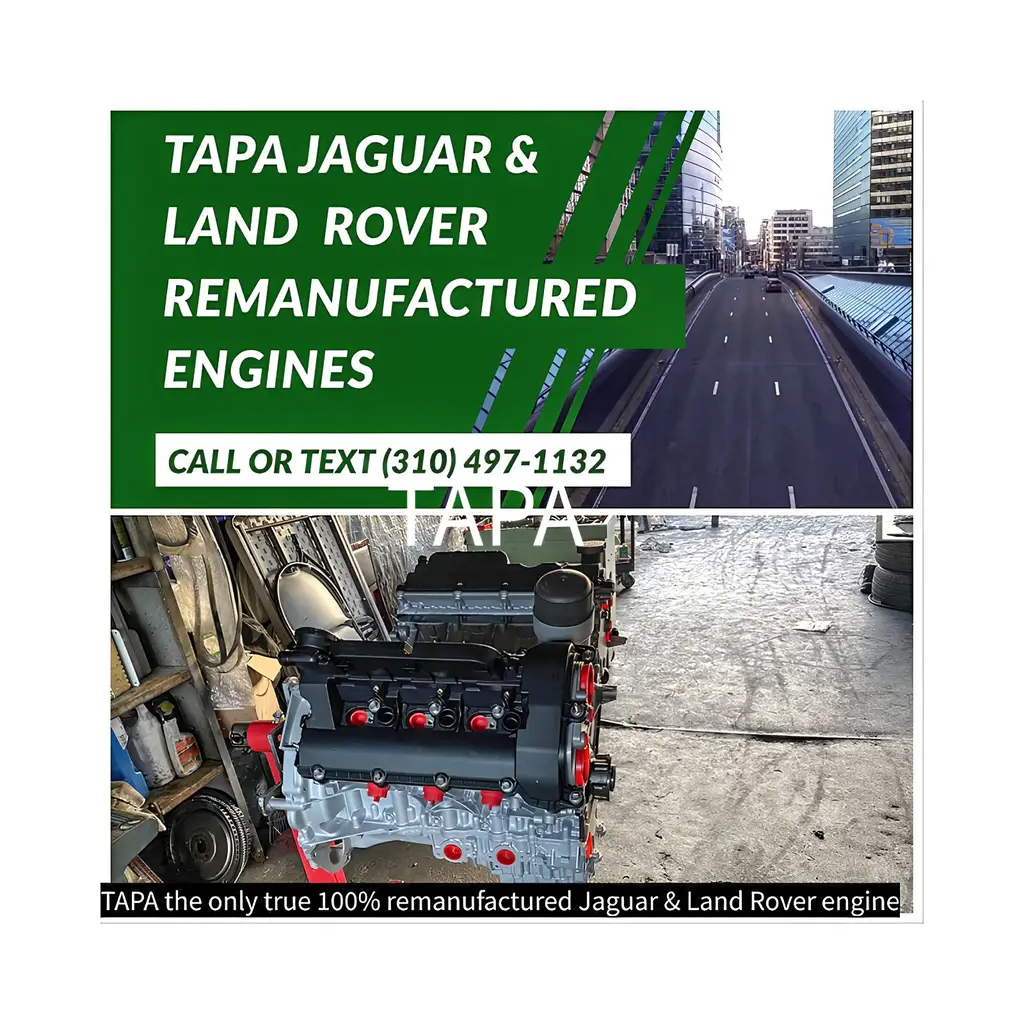
On the AJ133 and AJ126 engines, the most common root cause of this fault is stretched timing chains or worn timing chain guides (especially the older plastic ones). If the sensors and solenoids are functioning correctly, replacing the timing chains, tensioners, and guides with updated components is the definitive and permanent solution.